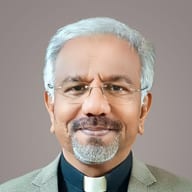
റിവ. ഡി. ജെ. അജിത് കുമാർ

Ordained Ministry: Called to serve not for glory

The Church of Jesus Christ has always recognized the importance of ordained ministry. Bishops, presbyters, pastors, deacons, evangelists, and other ministers are called by God to nurture the faithful, proclaim the…

മുഖ്യ വചനം

Just as the Son of Man came not to be served but to serve, and to give his life a ransom for many (Matt. 20:28).

വാചനങ്ങൾ

Psalm 132

The Church of Jesus Christ has always recognized the importance of ordained ministry. Bishops, presbyters, pastors, deacons, evangelists, and other ministers are called by God to nurture the faithful, proclaim the Gospel, administer the sacraments, and lead God’s people in mission. Yet throughout history, there has been a persistent temptation to misunderstand the nature of ministry. Some have viewed ministry as a position of power, prestige, authority, or privilege rather than a vocation of humble service. In a world that often measures success by status, influence, recognition, and titles, the Church must continually return to the example and teaching of Jesus Christ. The ordained ministry is not a pathway to personal glory but a calling to sacrificial service. Those who are called to leadership in the Church are entrusted with the care of God’s people and are expected to reflect the character of Christ, the Good Shepherd. Theological Education Sunday offers us an opportunity to reflect on the nature of ministry and leadership in the Church. It also reminds us of the importance of preparing faithful ministers through theological formation, spiritual discipline, and practical training. Seminaries and theological institutions do not merely produce professionals; they seek to form servants of Christ who will lead God’s people with humility, wisdom, and integrity. The readings appointed for today reveal four important dimensions of ordained ministry. They remind us that ministry begins with God’s call, is rooted in God’s presence, is exercised through shepherding, and finds its highest expression in humble service.
  1. Ordained Ministry Begins with God’s Call (Jer. 1:4–10)

The call of Jeremiah provides one of the clearest biblical examples of divine vocation. God declares: “Before I formed you in the womb I knew you, and before you were born I consecrated you.” Jeremiah did not volunteer for ministry. He did not seek prominence or recognition. In fact, he initially resisted God’s call, saying, “I do not know how to speak, for I am only a boy.” Yet God reassured him and entrusted him with a mission. This passage teaches us that authentic ministry begins with God’s initiative. Ministry is not merely a career choice, a profession, or an avenue for advancement. It is a response to God’s call. Throughout Scripture, God calls ordinary people to extraordinary service. Moses felt inadequate. Gideon considered himself weak. Isaiah confessed his uncleanness. Peter recognized his sinfulness. Yet God called and equipped them all. Ordained ministry therefore rests not upon human qualifications alone but upon divine calling. Academic knowledge, administrative ability, eloquence, and leadership skills are valuable, but they cannot substitute for God’s call. Theological education seeks to help individuals discern, nurture, and deepen that calling. It provides intellectual formation, spiritual guidance, and pastoral preparation so that those whom God calls may serve faithfully. Jeremiah’s call also reminds us that ministry often involves challenge and sacrifice. God commissioned him “to pluck up and pull down, to destroy and overthrow, to build and to plant.” Faithful ministry requires courage, truthfulness, and perseverance. The minister’s task is not to seek popularity but to proclaim God’s Word faithfully. The call comes from God, and accountability ultimately belongs to Him.
  1. Ordained Ministry Flourishes in God’s Presence (Psalm 132)

Psalm 132 celebrates God’s dwelling among His people. The psalm recalls David’s desire to prepare a dwelling place for the Lord and rejoices in God’s promise to bless Zion and His servants. One verse particularly stands out: “Let your priests be clothed with righteousness, and let your faithful shout for joy.” The effectiveness of ministry depends not merely upon organizational structures or professional competence but upon the presence of God. A minister may possess impressive credentials, yet without a living relationship with God, ministry becomes empty and mechanical. The priests of Israel were called to serve in God’s presence. Likewise, Christian ministers are called to cultivate lives of prayer, holiness, and devotion. Before they preach to others, they must listen to God. Before they lead others, they must follow Christ. Theological education is therefore not only intellectual formation; it is spiritual formation. Knowledge without spirituality can produce pride. Scholarship without prayer can become sterile. Ministry without holiness can become destructive. The Church needs ministers who are rooted in God’s presence. Their authority comes not from titles but from their relationship with Christ. Their influence arises not from power but from spiritual authenticity. Psalm 132 reminds us that ministry flourishes where God dwells. Congregations are strengthened when their leaders are people of prayer, integrity, and spiritual depth. In an age of busyness and constant demands, ministers must intentionally make space for worship, reflection, and communion with God. The greatest gift a minister can offer the Church is not merely activity but a life anchored in God’s presence.

III. Ordained Ministry is Shepherding God’s Flock (1 Peter 5:1–4)

The Apostle Peter addresses church leaders with words of wisdom born from experience: “Tend the flock of God that is in your charge, exercising the oversight, not under compulsion but willingly, as God would have you do.” The image of the shepherd is one of the most beautiful descriptions of ministry in Scripture. A shepherd protects, guides, feeds, and cares for the flock. Peter emphasizes three important principles. First, ministry should be exercised willingly, not reluctantly. God’s servants are called to serve with joy and dedication. Second, ministry should not be motivated by selfish gain. Ministry is not a means of acquiring wealth, influence, or personal advantage. The Church belongs to Christ, not to its leaders. Third, leaders are called to be examples to the flock. People often learn more from a leader’s life than from their sermons. Character matters. Integrity matters. Humility matters. Theological education plays a crucial role in shaping such shepherds. It equips ministers with biblical knowledge, pastoral skills, and theological understanding. Yet it also seeks to form character and cultivate servant leadership. Peter points to the ultimate reward: “When the chief Shepherd appears, you will win the crown of glory that never fades away.” Notice the contrast. Earthly glory fades. Human recognition is temporary. Titles and positions pass away. But the reward given by Christ endures forever. Ordained ministry is therefore not about seeking glory for oneself but about faithfully serving under the authority of the Chief Shepherd.
  1. Ordained Ministry Reflects the Servanthood of Christ (Matt. 20:20–28)

The Gospel lesson brings us to the heart of today’s theme. The mother of James and John approaches Jesus with a request that her sons may sit at His right and left in His kingdom. Like many people then and now, they associated leadership with privilege, honour, and status. Jesus responds by redefining greatness. “Whoever wishes to be great among you must be your servant, and whoever wishes to be first among you must be your slave.” These words challenge worldly concepts of leadership. In society, greatness is often measured by power and influence. In God’s kingdom, greatness is measured by service. Jesus Himself provides the model: “The Son of Man came not to be served but to serve, and to give his life a ransom for many.” The cross becomes the ultimate expression of servant leadership. Jesus, the Lord of all, humbled Himself and gave His life for others. Every ordained minister is called to imitate this pattern. Ministry is not about occupying the highest seat but about washing feet. It is not about receiving honour but about giving oneself for others. Throughout Christian history, the most influential ministers have often been those who served with humility. They visited the sick, comforted the grieving, cared for the poor, taught the ignorant, and proclaimed Christ faithfully. Their greatness did not lie in their titles but in their service. This is why theological education must shape not only the mind but also the heart. Future ministers must learn not only doctrine but discipleship; not only theology but humility; not only leadership but servanthood. The Church does not need celebrities. It needs servants. The Church does not need rulers. It needs shepherds. The Church does not need people seeking glory. It needs people willing to follow the example of Christ.

Conclusion

Theological Education Sunday invites us to reflect upon the true nature of ordained ministry. The Scriptures before us reveal a consistent message. Jeremiah reminds us that ministry begins with God’s call. The Psalm teaches us that ministry flourishes in God’s presence. Peter shows us that ministry is the shepherding of God’s flock. Jesus reveals that ministry finds its highest expression in humble service. In every generation, the Church must guard against the temptation to view leadership as privilege, power, or prestige. The ordained ministry is a sacred trust entrusted by God for the building up of His people. As we observe this Sunday, let us pray for our theological colleges, seminaries, bishops, pastors, presbyters, deacons, theological educators, and students preparing for ministry. Let us pray that God will raise up faithful servants who love Christ, cherish His Word, care for His people, and proclaim His Gospel. Let us also remember that the spirit of servant leadership is not limited to ordained ministers alone. Every Christian is called to follow the example of Christ by serving others in humility and love. May God grant that His Church will always be led by men and women who understand that ministry is not a quest for glory but a calling to service. And may we all follow the example of our Lord Jesus Christ, who came not to be served but to serve, and to give His life for the salvation of the world.

Amen.

← സദ്‌സന്മാനങ്ങൾ PDF ഡൗൺലോഡ് ഷെയർ ചെയ്യുക