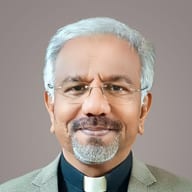
Revd. Dr. D. J. Ajith Kumar

Worship: In God’s Presence for God’s Purpose

Worship is one of the greatest privileges given to humanity. Human beings were created not merely to work, build, earn, or survive, but ultimately to worship God. Worship is not simply singing hymns, attending church…

Key verse

“But when Jesus saw that he answered wisely, he said to him, ‘You are not far from the kingdom of God.’” – Mark 12:34

Readings

Psalm 100

Worship is one of the greatest privileges given to humanity. Human beings were created not merely to work, build, earn, or survive, but ultimately to worship God. Worship is not simply singing hymns, attending church services, or following rituals. True worship is entering into the presence of God and allowing that presence to transform our lives for God’s divine purpose.The theme for this Third Sunday after Pentecost is: “Worship: In God’s Presence for God’s Purpose.” Pentecost reminds us that the Holy Spirit creates a worshipping community. The Spirit gathers believers together, sanctifies them, and sends them into the world for mission. Therefore, worship is never an escape from the world; rather, it is preparation for service in the world.The four Scripture portions before us beautifully reveal different dimensions of worship. In Book of Isaiah 6, Isaiah encounters the holiness of God. In Psalms 100, the people are invited joyfully into God’s presence. In Acts of the Apostles 2, the early church worships together in fellowship and mission. In Gospel of Mark 12, Jesus teaches that true worship is loving God completely and loving our neighbour sincerely.Today let us reflect on four important truths about worship.
  1. Worship Begins with the Vision of God’s Holiness

The prophet Isaiah says:“I saw the Lord sitting on a throne, high and lifted up.”- Isaiah 6:1 This was not merely a religious experience. It was a life-changing encounter with the holiness and majesty of God. The temple was filled with the glory of God, and the seraphim cried:“Holy, holy, holy is the Lord of hosts.”The first foundation of worship is the recognition that God is holy. Modern society often makes worship entertainment-centred, personality-centred, or prosperity-centred. But biblical worship is God-centred. Worship begins when human beings stop focusing on themselves and begin focusing on God.Isaiah entered the temple perhaps carrying the anxieties and uncertainties of the nation. King Uzziah had died. The political future was unstable. Yet in the midst of earthly uncertainty, Isaiah discovered that God was still on the throne.What a powerful message for us today! Nations may shake, economies may fail, churches may struggle, and families may face difficulties, but God remains sovereign. True worship reminds us that God is still reigning. Whenever people encounter the holiness of God in the Bible, they also become aware of their own sinfulness. Isaiah cried:“Woe is me! I am lost, for I am a man of unclean lips.”Real worship always leads to repentance. One of the dangers today is superficial worship without inner transformation. We may sing loudly and pray beautifully, yet remain unchanged in heart. But when we truly enter God’s presence, pride melts away, arrogance disappears, and repentance begins.An old story is told about a famous musician who performed before a large audience. After the concert, the crowd applauded loudly, but the musician looked anxious. Someone asked him, “Why are you worried when everyone appreciated your performance?” He replied, “There is one person in the audience whose opinion matters most to me—my teacher. I am waiting to see whether he approves.”Similarly, worship is not about impressing people. It is about pleasing God.Isaiah’s worship experience did not end with confession alone. God purified him through the burning coal from the altar. This points to the grace of God. In Christian theology, worship is possible not because we are worthy, but because God cleanses us through His mercy. Through Christ, we are forgiven and restored.Then came the divine call:“Whom shall I send, and who will go for us?”And Isaiah answered:“Here am I; send me!”This is the movement of true worship:Vision → Repentance → Cleansing → Mission.We do not come to worship merely to receive blessings; we come to be prepared for God’s purpose.
  1. Worship is Joyful Thanksgiving in God’s Presence

Psalm 100 is one of the most joyful worship psalms in the Bible.“Make a joyful noise to the Lord, all the earth. Worship the Lord with gladness.”Notice the language: joyful, gladness, singing, thanksgiving, praise. Worship is not a burden but a celebration of God’s goodness.The Psalmist reminds us:“Know that the Lord is God. It is he that made us, and we are his.”Modern humanity often lives with anxiety, loneliness, and identity crises. People ask, “Who am I? Why am I here?” Worship answers these questions. We belong to God. We are His people and the sheep of His pasture.There is deep theology here. Worship acknowledges God as Creator and Shepherd. The world teaches self-sufficiency, but worship teaches dependence on God.Sometimes people think worship is only for Sundays. But Psalm 100 teaches that worship is a lifestyle of gratitude. A thankful heart becomes a worshipping heart.There is an illustration from daily life. Two people may walk through the same garden. One sees only dry leaves and dust; the other notices flowers, fragrance, and beauty. The difference is not the garden but the attitude of the heart.Similarly, grateful people recognize God’s blessings everywhere. They worship not only in abundance but also in difficulties.Christian worship is rooted in thanksgiving because we remember God’s faithfulness in history – especially through Jesus Christ. Through Christ’s death and resurrection, we have salvation, hope, forgiveness, and eternal life.The Psalm concludes:“For the Lord is good; his steadfast love endures forever.”What a beautiful theological truth! Worship is grounded not in our emotions but in God’s unchanging character. Even when circumstances change, God’s love remains constant.Therefore, worship is not dependent on whether life is easy or difficult. We worship because God is good.
  1. Worship Creates a Spirit-Filled Community

In Acts 2:42-47 we see the worship life of the early church after Pentecost.“They devoted themselves to the apostles’ teaching and fellowship, to the breaking of bread and the prayers.”This passage reveals that worship is not merely individual but communal. Christianity is not isolated spirituality. The Holy Spirit creates a worshipping community.The early Christians worshipped through four important practices:teaching, fellowship, breaking of bread, and prayer.First, worship involved learning God’s Word. True worship must be rooted in biblical truth. Emotion without truth becomes shallow spirituality.Second, worship involved fellowship. The believers shared life together. They cared for the poor, supported one another, and lived in unity. Worship that ignores human suffering becomes incomplete worship.Third, they broke bread together. This points to Holy Communion, remembering Christ’s sacrifice. At the Lord’s Table, rich and poor, powerful and weak, stand equal before God.Fourth, they prayed together. Prayer was not a formality but the heartbeat of the church.Acts also says:“Awe came upon everyone.”The church experienced the power of God because worship was sincere and Spirit-filled.One of the great needs of the church today is recovering worship as community transformation. Worship should not end at the church door. It should produce compassion, generosity, justice, and witness.The early church grew not through marketing strategies but through authentic worship and loving fellowship. The world saw Christ through their lives.There is a beautiful saying:“The church is the only society that exists primarily for the benefit of those who are not yet its members.”That is the purpose of worship – to make us instruments of God’s mission in the world.
  1. Worship is Loving God and Loving Neighbour

In the Gospel reading, a scribe asks Jesus:“Which commandment is the first of all?” Jesus answers:“You shall love the Lord your God with all your heart, and with all your soul, and with all your mind, and with all your strength.”Then He adds:“You shall love your neighbour as yourself.”Jesus connects worship with love. Worship is not merely external ritual; it is total devotion to God expressed through love for others.This is the heart of Christian theology. Love is the centre of worship because God Himself is love.The scribe wisely recognizes that loving God and neighbour is greater than “all whole burnt offerings and sacrifices.” Jesus responds:“You are not far from the kingdom of God.”What does this mean for us?It means church attendance alone is not enough. Singing hymns alone is not enough. Rituals alone are not enough. Worship becomes complete only when our relationship with God transforms our relationship with people. A person cannot claim to love God while hating neighbours, neglecting the poor, or creating divisions.The cross itself teaches this truth. The vertical beam represents love toward God; the horizontal beam represents love toward humanity. True worship holds both together.There is an illustration from the life of Mother Teresa. Someone once asked her how she could continue serving dying and abandoned people every day. She replied that in every suffering person she saw the face of Christ.That is worship in action.Whenever we feed the hungry, comfort the lonely, forgive others, stand for justice, and serve the needy, worship continues beyond the sanctuary.Therefore, worship is not confined to liturgy. Worship is life offered to God.

Conclusion

Today’s Scriptures teach us that worship is entering God’s presence for God’s purpose.Like Isaiah, we are called to behold God’s holiness and respond, “Here am I; send me.”Like the Psalmist, we are invited to worship with joy and thanksgiving because God is good.Like the early church, we are called to become a Spirit-filled community shaped by teaching, fellowship, prayer, and compassion.Like Jesus taught, we are called to love God completely and love our neighbours sincerely.The goal of worship is transformation. When we truly worship, we do not leave the same way we entered. Worship changes our hearts, renews our minds, and redirects our lives toward God’s mission.May our churches become places where people encounter the holiness of God, experience the love of Christ, receive the power of the Holy Spirit, and go out to serve the world.May our worship not remain only inside the sanctuary but continue in our homes, workplaces, institutions, and society.For worship is not only what we do before God; it is what we become through God’s presence.Amen.

Closing Prayer

Gracious and loving God,We thank You for the gift of worship and for calling us into Your holy presence. Like Isaiah, help us to see Your glory and recognize our need for Your cleansing grace. Purify our hearts and make us instruments for Your mission.Lord, teach us to worship You with joy, thanksgiving, humility, and sincerity. Remove from us every form of empty ritual and fill us with the power of the Holy Spirit.Help Your Church to become a loving and caring community like the early believers. Unite us in prayer, fellowship, compassion, and faithful witness.Teach us to love You with all our heart, soul, mind, and strength, and to love our neighbours as ourselves. May our worship continue through lives of service, justice, kindness, and peace.Bless all who are discouraged, suffering, sick, lonely, or burdened today. Let Your comforting presence strengthen them. May Your grace guide our families, churches, and communities.Send us into the world with courage and faith to fulfill Your purpose.We ask this in the precious name of Jesus Christ our Lord.Amen.  
← Sermons Download PDF Share